
Speakers
The full list of speakers for ISCIP 2026 will be released soon.
Confirmed International Speakers
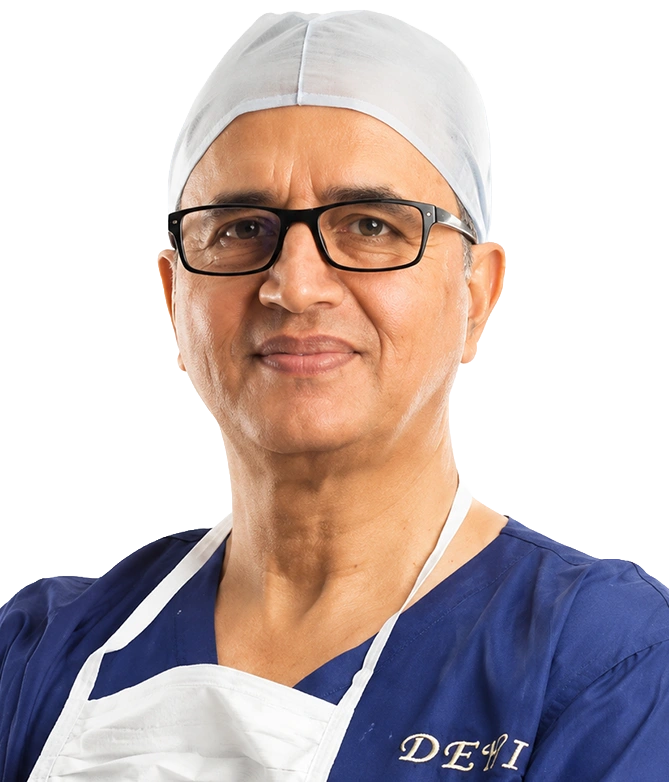
Prof. Dr. Devi Shetty is a cardiac surgeon, entrepreneur, and global healthcare leader. As the founder of Narayana Health, he has gained international recognition for revolutionizing access to high-quality cardiac care through innovative and affordable healthcare delivery models. His work has significantly contributed to expanding access to healthcare and transforming hospital systems in low- and middle-income countries.
Prof. Daniel De Backer is an internationally recognized authority in intensive care, specializing in hemodynamics, microcirculation, and septic shock. He is Professor of Intensive Care Medicine at Université Libre de Bruxelles and leads the Intensive Care Department at CHIREC Hospitals Brussels. His pioneering research has profoundly shaped critical care medicine, particularly in optimizing patient management in sepsis and circulatory failure.

Prof. Giovanni Landoni is an Italian anesthesiologist and intensivist, serving as Professor of Anesthesia and Intensive Care Medicine at Vita-Salute San Raffaele University and Director of Intensive Care and Anesthesiology at IRCCS San Raffaele Hospital. He is internationally recognized for his contributions to cardiovascular anesthesia, perioperative medicine, and critical care, with extensive scientific publications and leadership in multicenter clinical research.
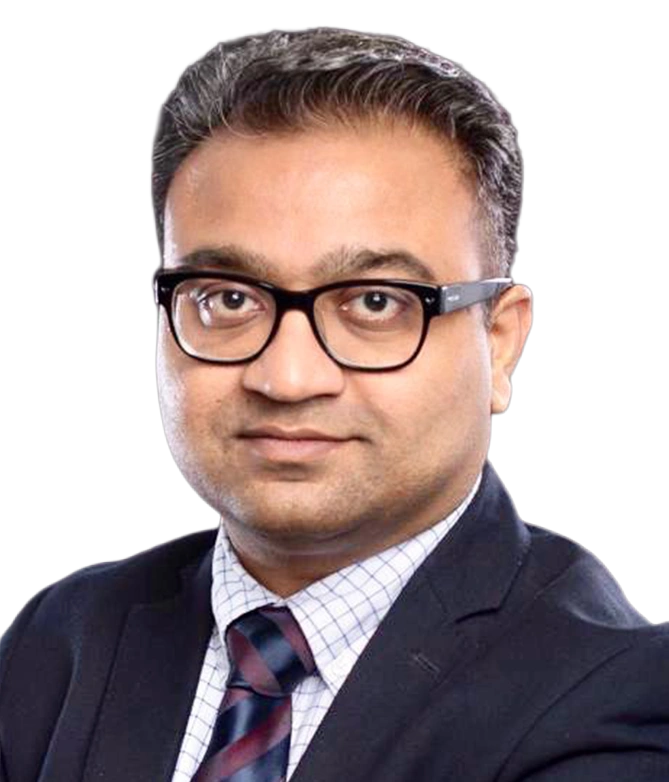
Dr. Govind Chavada is a Consultant Neurologist based in Scotland and a deep-tech founder working at the intersection of neuroscience, cognitive science, and artificial intelligence. After completing his medical training in India, he pursued specialist clinical training and research in the United Kingdom. His work explores the brain as a biological “chemical computer” and its implications for cognition, decision-making, and machine intelligence. He is the Founder and CEO of MindClon Inc., a Delaware-incorporated technology company developing the Info 3.0 standard, focused on governance, safety, accountability, and operational boundaries for autonomous systems in clinical and other high-stakes environments.
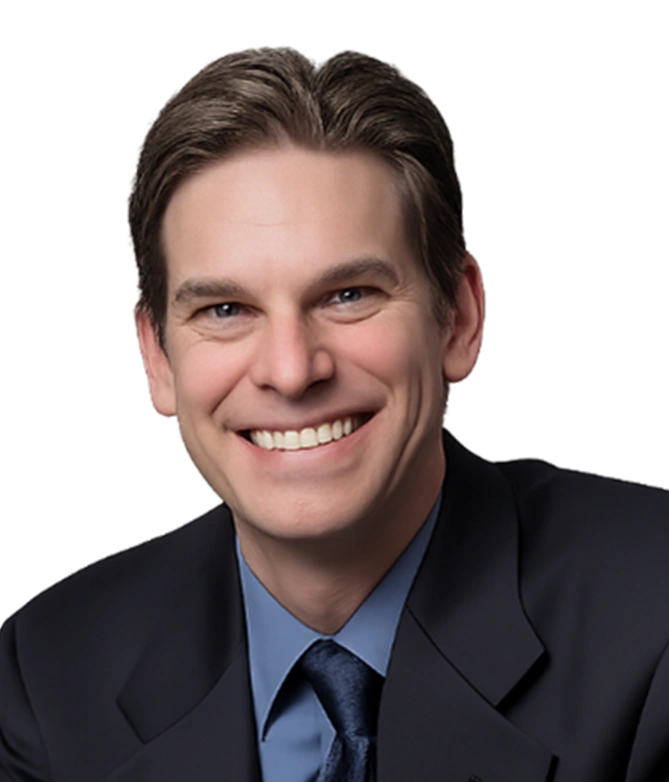
Gregory W. Albers, MD, is a neurologist and the Coyote Foundation Professor of Neurology at Stanford University. He earned his medical degree from UC San Diego School of Medicine and completed his neurology residency and fellowship in cerebrovascular diseases at Stanford University Medical Center, joining the faculty in 1989. Since 1992, he has served as Co-Founder and Director of the Stanford Stroke Center. His work focuses on the diagnosis, treatment, and prevention of ischemic stroke through advanced neuroimaging. He was the principal investigator of the DEFUSE trials, which contributed to extending the therapeutic window for acute ischemic stroke treatment to up to 24 hours. He has authored more than 450 scientific publications.

Jacques Duranteau is Professor and Head of the Department of Anesthesia and Intensive Care at Bicêtre Hospital, France. He is internationally recognized for his research in trauma care, hemorrhagic shock, and neurocritical care, with major contributions to the management of life-threatening conditions in critically ill patients.
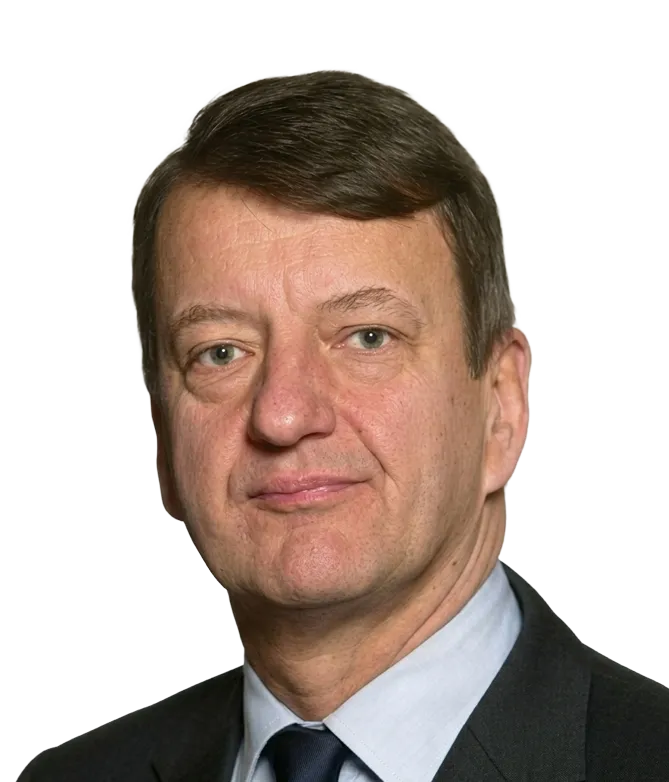
Prof. Jean-Louis Vincent is a globally renowned leader in intensive care medicine, with a distinguished career focused on sepsis, shock, and critical illness. He is Professor of Intensive Care at the Université Libre de Bruxelles and former Head of the Intensive Care Department at Erasme Hospital in Brussels. His work has been instrumental in advancing the understanding and management of critically ill patients worldwide.
A prolific researcher and educator, Prof. Vincent has authored hundreds of peer-reviewed publications and played a central role in developing international guidelines for sepsis and critical care. He is also the founder of the International Symposium on Intensive Care and Emergency Medicine (ISICEM), one of the most influential conferences in the field. His contributions continue to shape modern intensive care practice, particularly in infection, inflammation, and organ dysfunction.
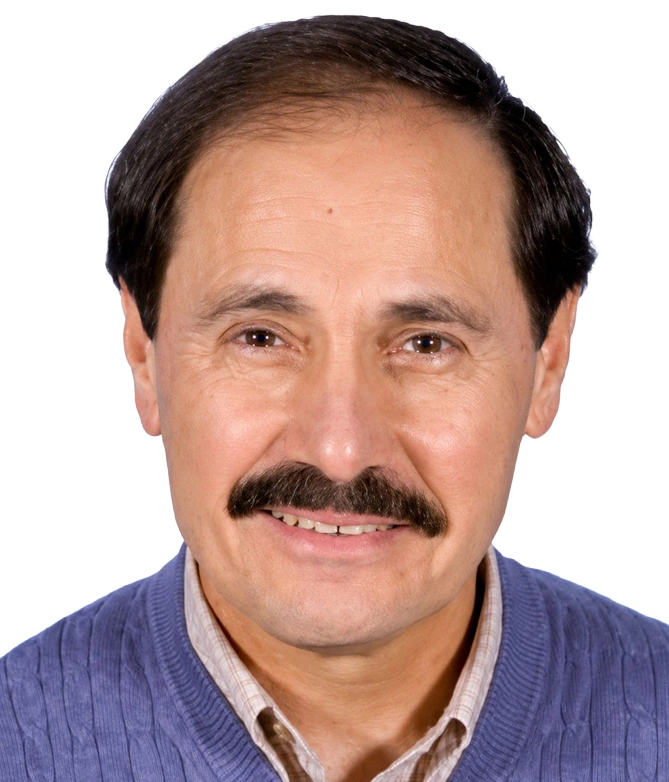
Dr. John J. Marini is Professor of Medicine at the University of Minnesota (USA) and one of the world’s leading authorities in respiratory physiology, mechanical ventilation, and critical care medicine. Trained at Johns Hopkins University and the University of Washington, he is the author or editor of major textbooks and more than 400 scientific publications. His contributions include landmark discoveries in respiratory physiology, notably the description of intrinsic PEEP. Throughout his career, he has received numerous international awards recognizing his outstanding achievements in critical care and respiratory medicine.

Dr. Otavio Tavares Ranzani is an intensive care physician and epidemiologist who earned his medical degree from the University of São Paulo (USP). He holds a Master's degree from the London School of Hygiene & Tropical Medicine and a Ph.D. from USP. His research focuses on critical care medicine, respiratory diseases, and global health. He has contributed to major national and international studies on COVID-19, pneumonia, and clinical epidemiology.
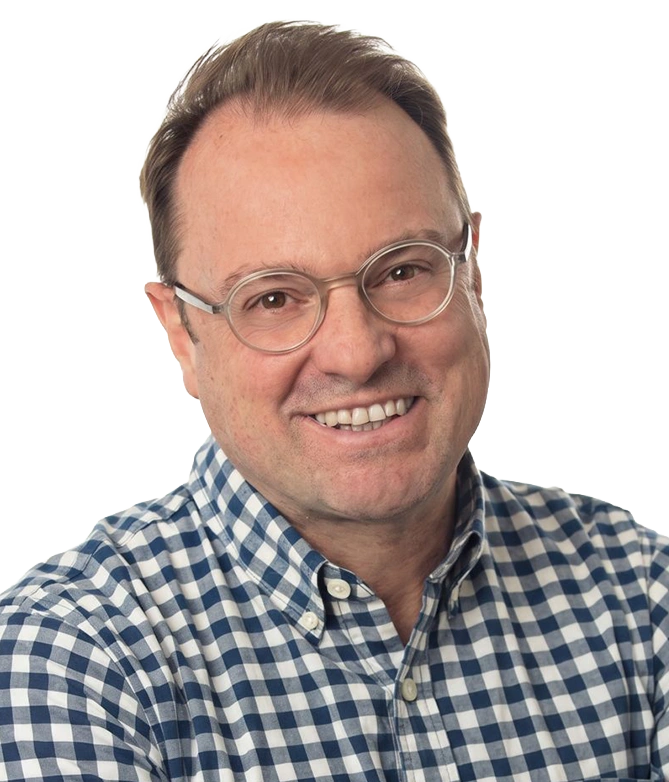
Dr. Roberto Pecoits Filho is a nephrologist, clinical trialist, and real-world evidence expert. He is a Distinguished Clinical Research Scientist at Arbor Research Collaborative for Health, Emeritus Professor at the Pontifical Catholic University of Paraná, PUCPR, and Adjunct Professor at the University of Michigan.
With more than 20 years of experience in global clinical research, Dr. Pecoits Filho has served as an investigator and leader in pivotal clinical trials and multinational real-world evidence platforms in chronic kidney disease. His work focuses on translating scientific evidence into meaningful clinical impact, particularly by addressing the implementation gap in kidney health.
He has authored more than 500 scientific publications, delivered educational activities in over 40 countries, and has contributed for more than a decade to initiatives of the International Society of Nephrology, ISN, and KDIGO.
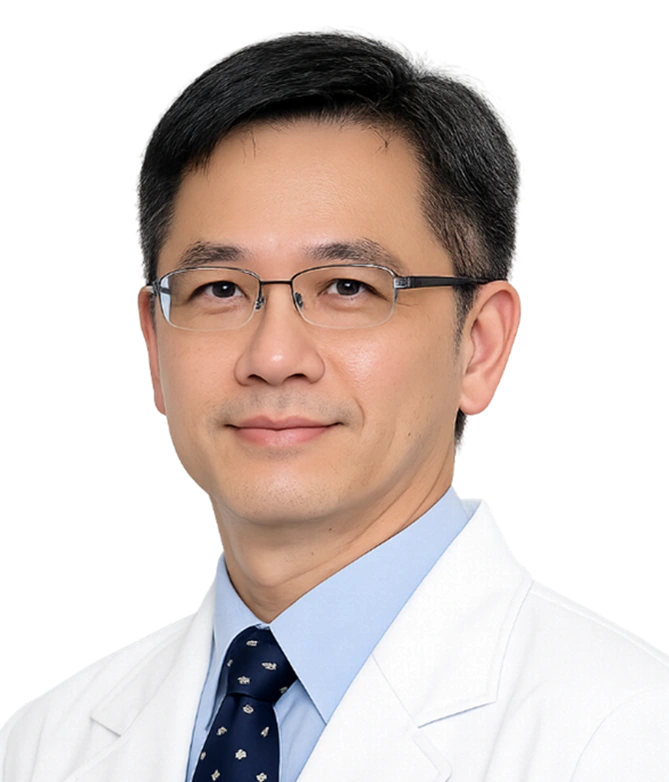
Dr. Yeh is a clinician-scientist in critical care medicine. His clinical and research interests include microcirculation, sepsis, blood purification, extracorporeal life support, PADIS, hemodynamic monitoring, and generative AI. He has contributed to the NTUH Center of Microcirculation Medical Research (NCMMR), the NTUH Smart Emergency and Critical Care group (NSECC), and Taiwan CORE, a national critical care database. He recently led the IMPACT Framework, an international consensus for evaluating the quality of generative AI outputs in critical care, developed by a team of 58 panelists across 12 countries.
Dr. Yeh serves as Vice President and Chair of Scientific Affairs of the Taiwan Society of Critical Care Medicine (TSCCM), chairs the Research Committee of the Taiwan Society of Emergency and Critical Care Medicine (TSECCM), and chairs the Critical Care Committee of the Taiwan Society of Anesthesiologists. He has authored over 90 peer-reviewed publications and presented at more than 180 national and international conferences.
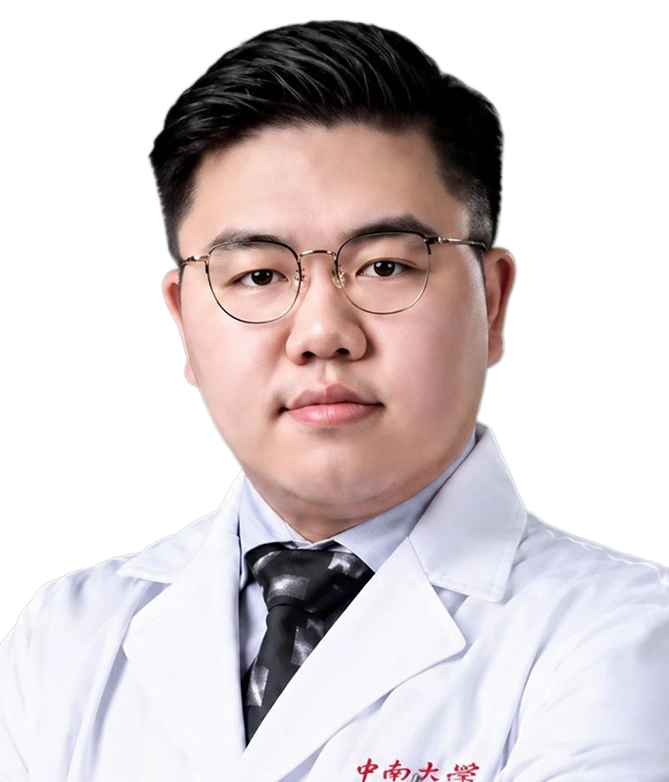
Director of the Planning and Management Center, Department of Information and Intelligent Development, Zhongshan Hospital, Fudan University; Part-time Deputy Director of the Information Operations Department, Shanghai International Medical Innovation Center; State-certified Critical Information System Protection Professional recognized by the Ministry of Public Security; Member of the Special Committee on Medical Big Data and Translational Innovation, Shanghai Medical Doctor Association; Young Committee Member of the Special Committee on Artificial Intelligence, Shanghai Hospital Association.
He holds a postgraduate degree from Northwestern University (USA), majoring in Operations Research. As a lead technical principal investigator, he spearheaded the design of large-scale projects funded by the National Development and Reform Commission, the Ministry of Industry and Information Technology, and the National Health Commission. He has advanced major hospital digital initiatives including internet hospitals, data centers, and 5G new infrastructure, accelerating the digital transformation and smart development of the hospital. His case studies have been featured by China Europe International Business School (CEIBS) and Harvard Business School.
As a core contributor, he was awarded the Second National Prize and First Shanghai Prize in the 2021 MIIT "Blooming Cup" Competition, the 2023 MIIT Guanghua Cup Award for Contributions to People-Oriented Services, and the Second Prize in the 2025 Hospital Internet of Things Innovative Application Competition.
Confirmed National Speakers
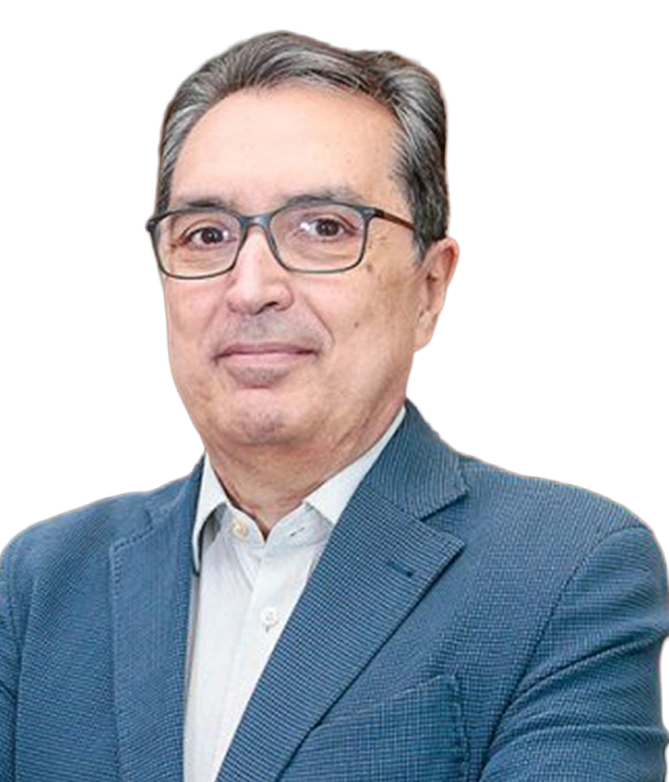
Carlos Roberto Ribeiro de Carvalho is a pulmonologist, Full Professor at FMUSP, and Director of the Pulmonology Division at InCor. His work focuses on respiratory failure, mechanical ventilation, respiratory physiology, interstitial lung diseases, telehealth, and innovation in respiratory medicine.

Carmen Silvia Valente Barbas is a pulmonologist, professor at FMUSP, and researcher at Hospital das Clínicas, University of São Paulo. She is internationally recognized for her contributions to mechanical ventilation and intensive care medicine, particularly in the management of Acute Respiratory Distress Syndrome (ARDS).
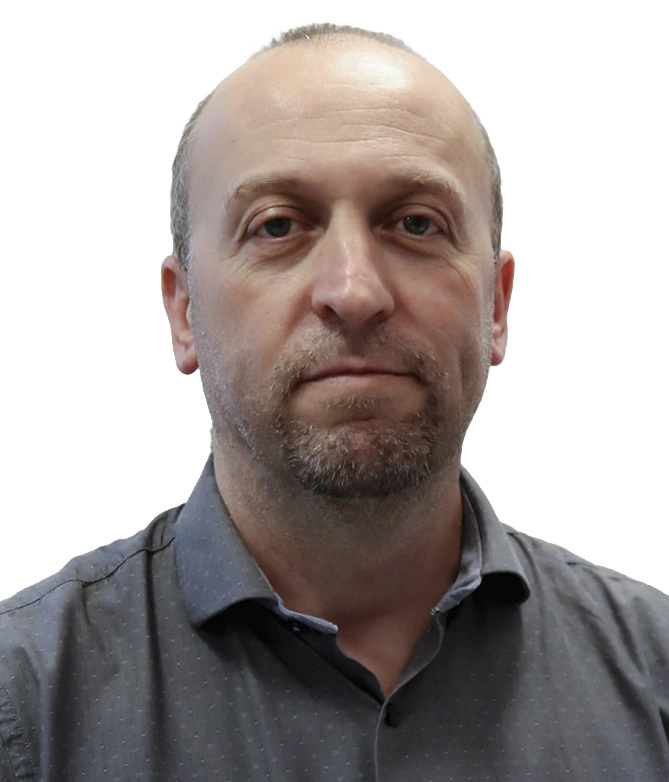
Cassiano Teixeira is a physician with a Ph.D. in Pulmonology from the Universidade Federal do Rio Grande do Sul and an Associate Professor of Internal Medicine at the Universidade Federal de Ciências da Saúde de Porto Alegre. His clinical and academic work focuses on Internal Medicine, Intensive Care Medicine, and Bronchoscopy, with expertise in mechanical ventilation, ventilator weaning, patient-centered care in the ICU, and health-related quality of life after hospital discharge.
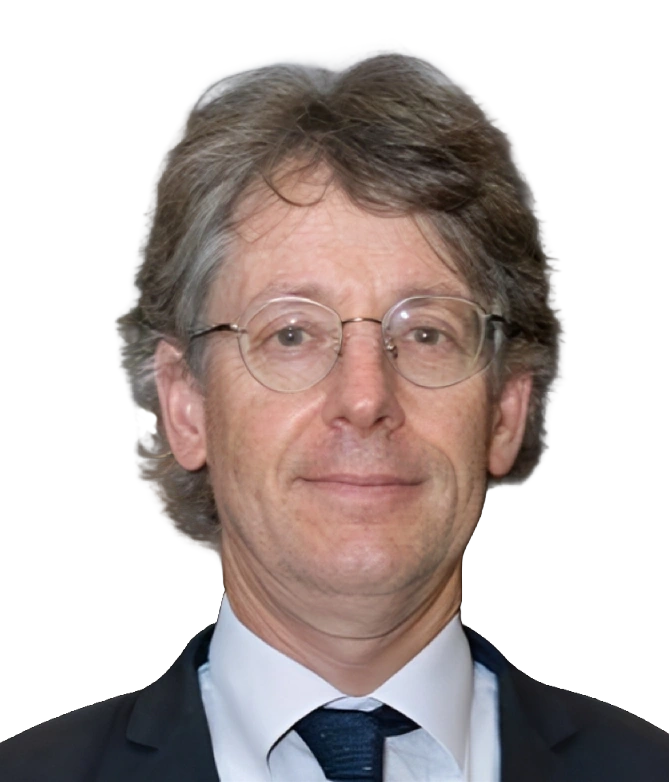
Cristiano Augusto Franke is an intensive care physician, board-certified by AMIB, with experience in critical care, trauma, and transplantation. He works at Hospital de Pronto Socorro de Porto Alegre and Hospital de Clínicas de Porto Alegre (HCPA), and coordinates organ donation and transplant teams.
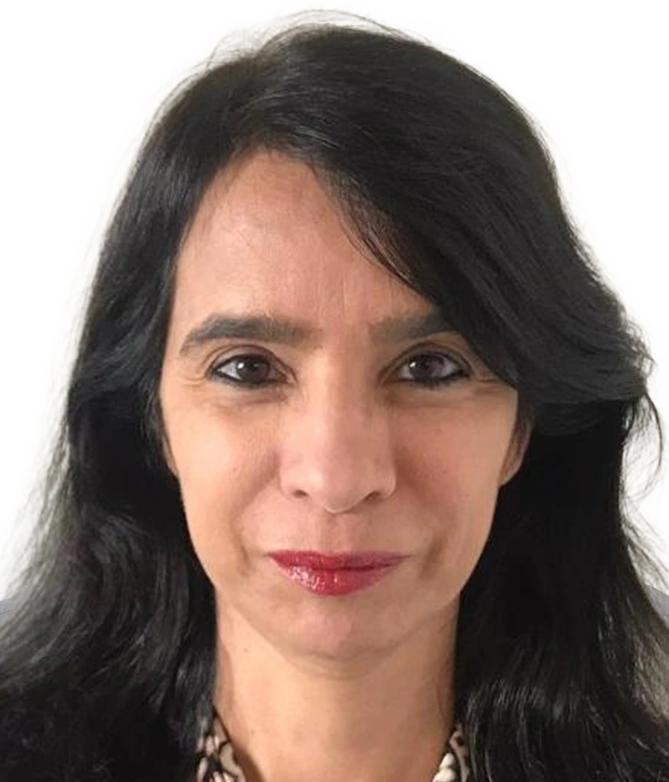
Flávia Ribeiro Machado, MD, PhD, is an infectious disease specialist and intensivist. She is an Associate Professor (Livre-Docente) and Head of the Intensive Care Unit Division at the Paulista School of Medicine, Federal University of São Paulo (UNIFESP). As General Coordinator of the Latin American Sepsis Institute (ILAS), she is internationally recognized for her expertise in sepsis and critical care medicine, with extensive involvement in clinical care, research, and professional education in the field.
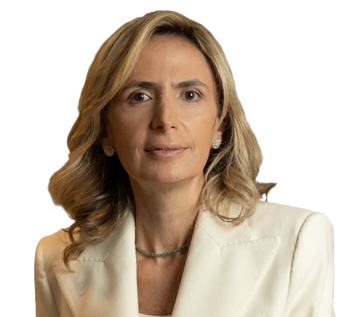
Full Professor of Emergency Medicine at the University of São Paulo School of Medicine, FMUSP. Specialist in Emergency Medicine, Intensive Care Medicine, and Cardiology. She currently serves as Coordinator of the Medical Residency Programs in Emergency Medicine and Intensive Care Medicine at FMUSP. She is Director of Cardio-Oncology at the Heart Institute, HCFMUSP, Coordinator of Cardio-Oncology at the Cancer Institute of the State of São Paulo, ICESP, and Coordinator of the Graduate Program in Cardiology at FMUSP. She also serves as Coordinator of Cardiology at Vila Nova Star Hospital, as well as Coordinator of the Cardiac and Surgical Intensive Care Units at DF Star Hospital and of the Intensive Care Unit at Vila Nova Star Hospital. She was the representative for Central and Latin America at the European Society of Intensive Care Medicine, ESICM, from 2023 to 2025.
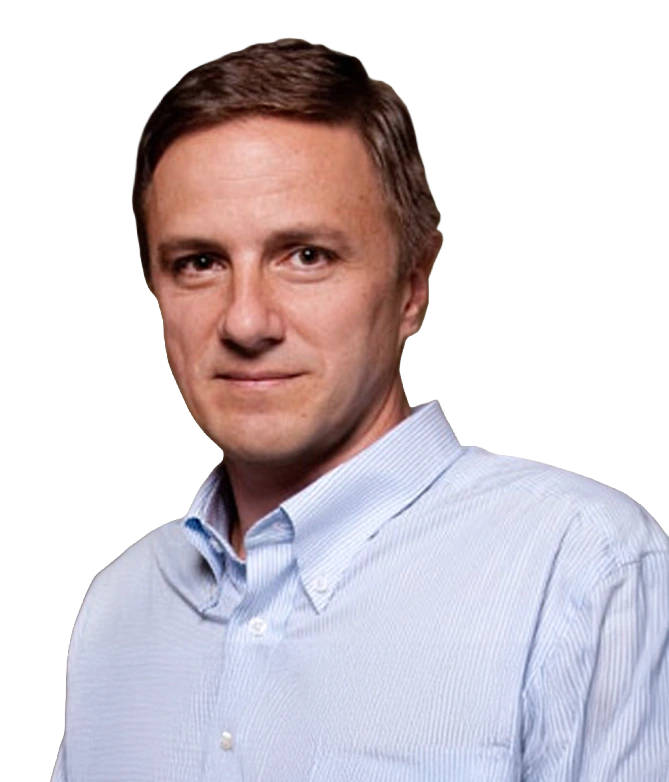
Marcelo Britto Passos Amato is a pulmonologist, professor at FMUSP, and researcher at Hospital das Clínicas and InCor. He is internationally recognized for his contributions to protective lung ventilation and the development of Electrical Impedance Tomography for lung monitoring.
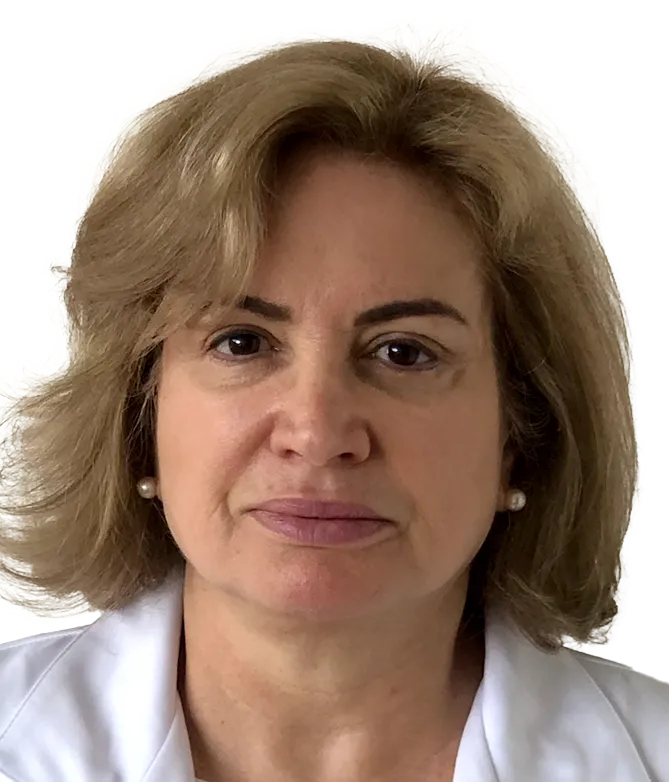
Suzana Margareth Ajeje Lobo is an intensive care physician with a PhD in Medical Sciences from the University of São Paulo (USP) and a Habilitation (Livre-Docência) in Intensive Care Medicine from FAMERP. Nationally and internationally recognized, she has a distinguished career in Critical Care Medicine, with a particular focus on sepsis, circulatory shock, hemodynamic monitoring, management of critically ill and high-risk patients. Her work combines excellence in clinical care, research, and the education and training of healthcare professionals.
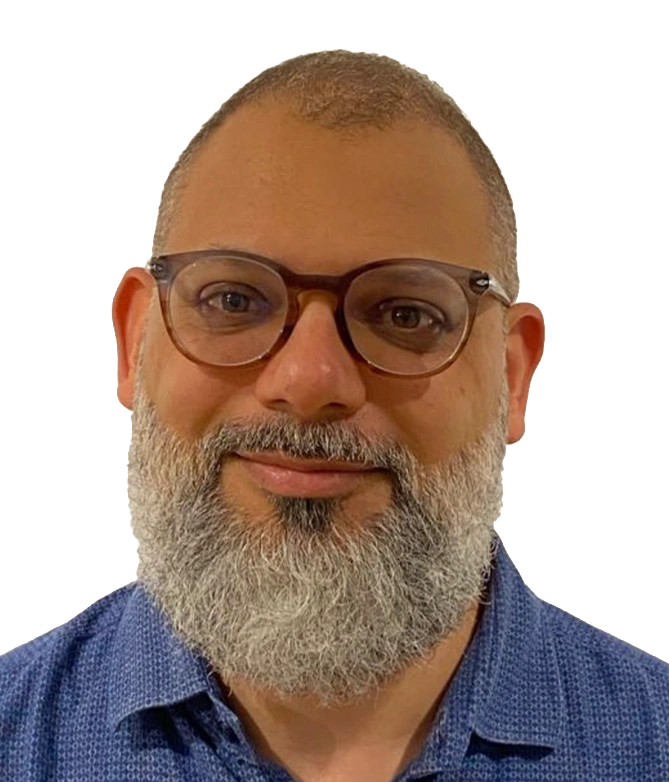
Thiago Costa Lisboa is an intensivist physician with a PhD in Pulmonary Sciences from the Federal University of Rio Grande do Sul (UFRGS) and board certification in Intensive Care Medicine from the Brazilian Intensive Care Medicine Association (AMIB). He serves as a staff intensivist at Hospital de Clínicas de Porto Alegre and as Medical Director of the Intensive Care Unit at Hospital Mãe de Deus. He is a faculty member at UFRGS, a researcher with the Brazilian Research in Intensive Care Network (BRICNet), and holds a specialization in Big Data and Data Science. His research focuses on epidemiology, infections in critically ill patients, pneumonia, and critical care medicine. Dr. Lisboa has authored more than 100 peer-reviewed scientific publications and is a frequent speaker at national and international conferences.
8:00 AM to 6:00 PM
Center
Brazil
Partners